Ski Safari Through Switzerland – 6 Days, 3 Ski Resorts
Ski Safari Through Switzerland – 6 Days, 3 Ski Resorts
Is one ski resort not enough for you? Then it’s time for a ski safari through Switzerland. Six days, three different winter sports regions, and a new mountain panorama outside your window every other morning.
The trip takes you from the Grisons mountains in Davos, through Toggenburg, all the way to the Lötschental in Valais. Not only do the hotels change along the way, but so do the slopes: wide runs, impressive mountain scenery, and cozy stops at mountain huts make every leg of the journey a new winter adventure.
Strap on your skis and let’s go!
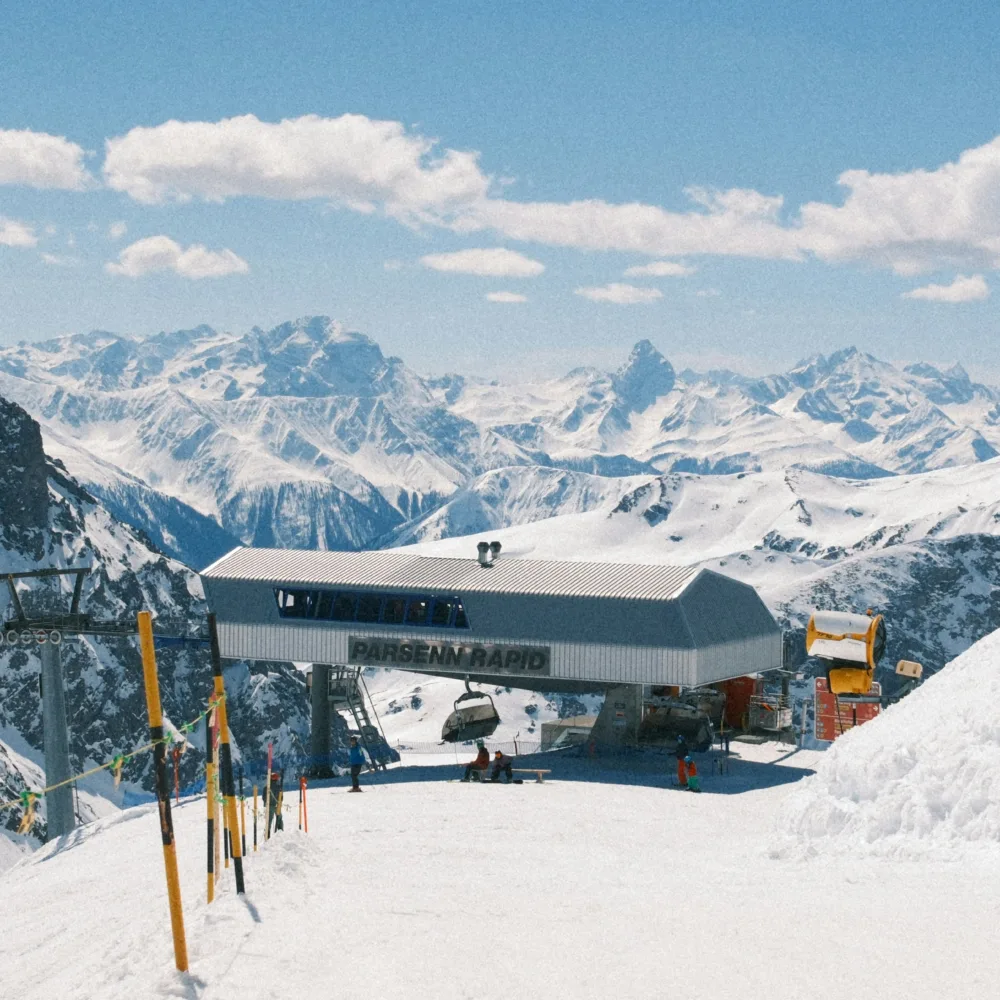
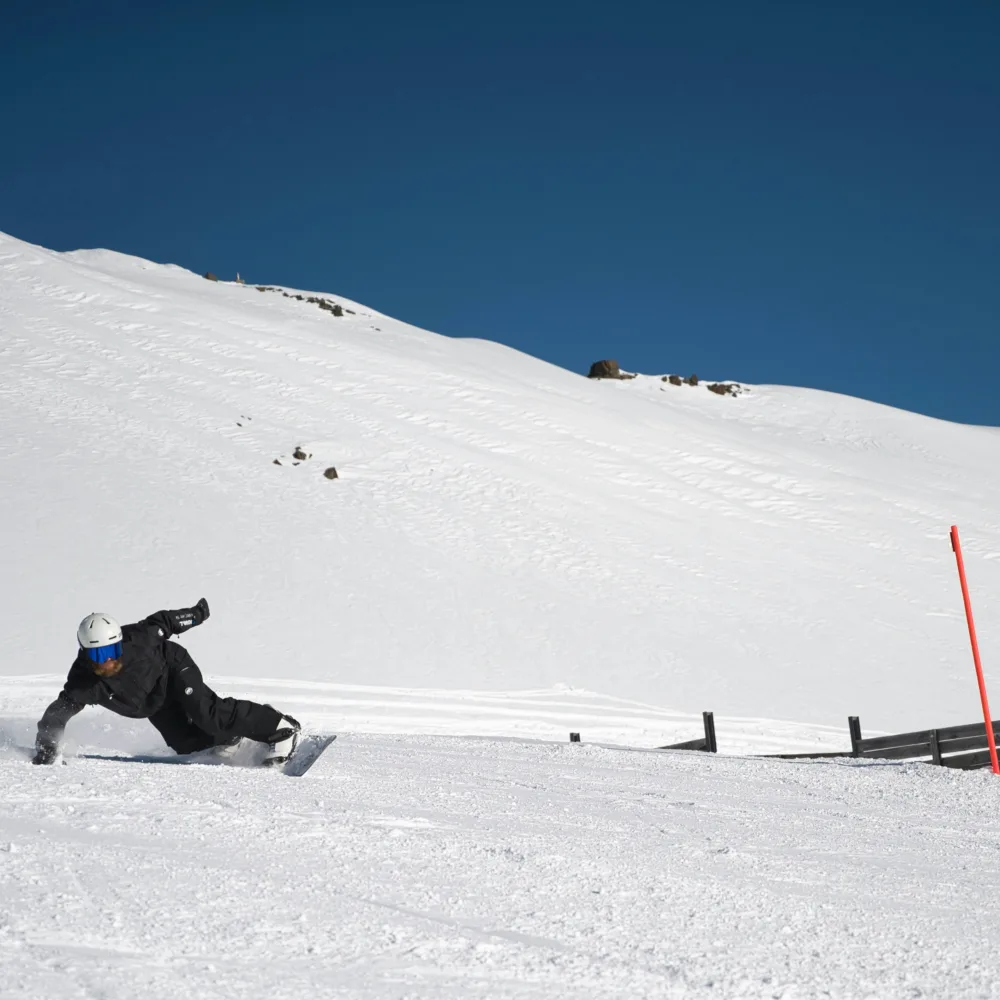
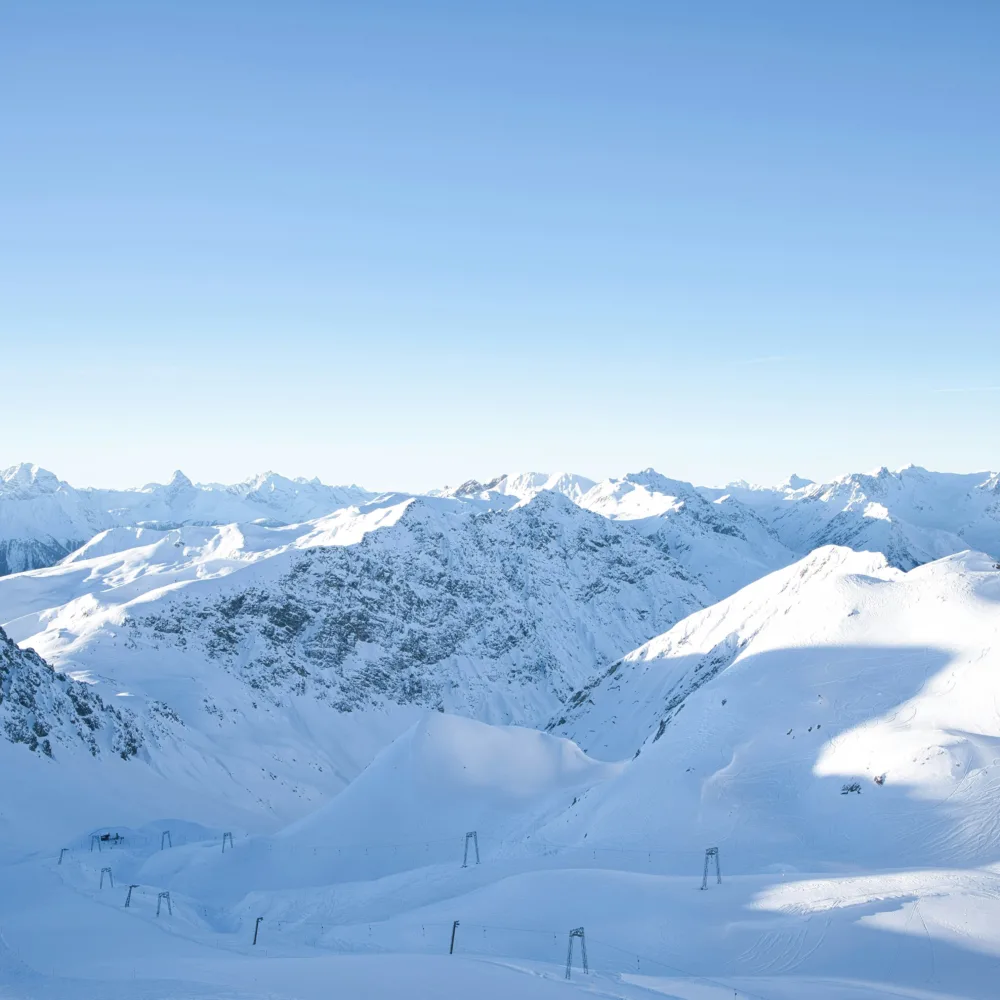
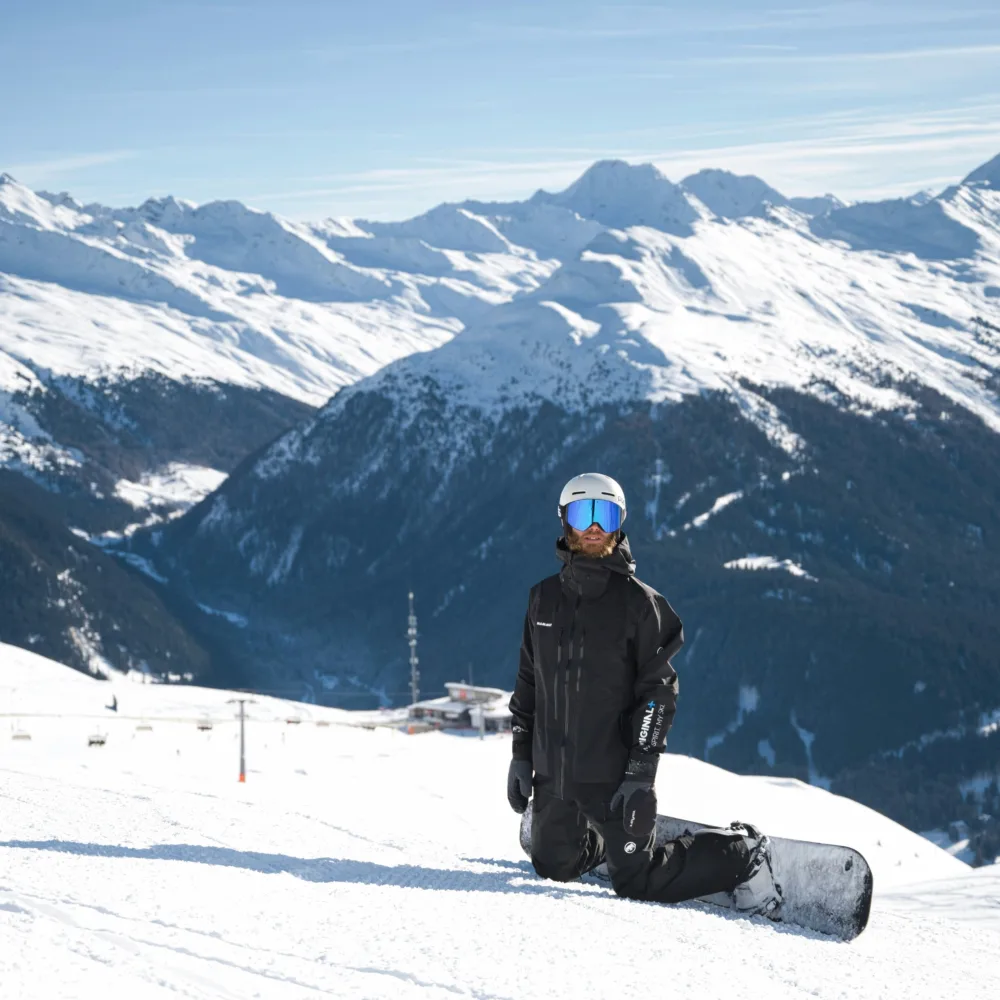
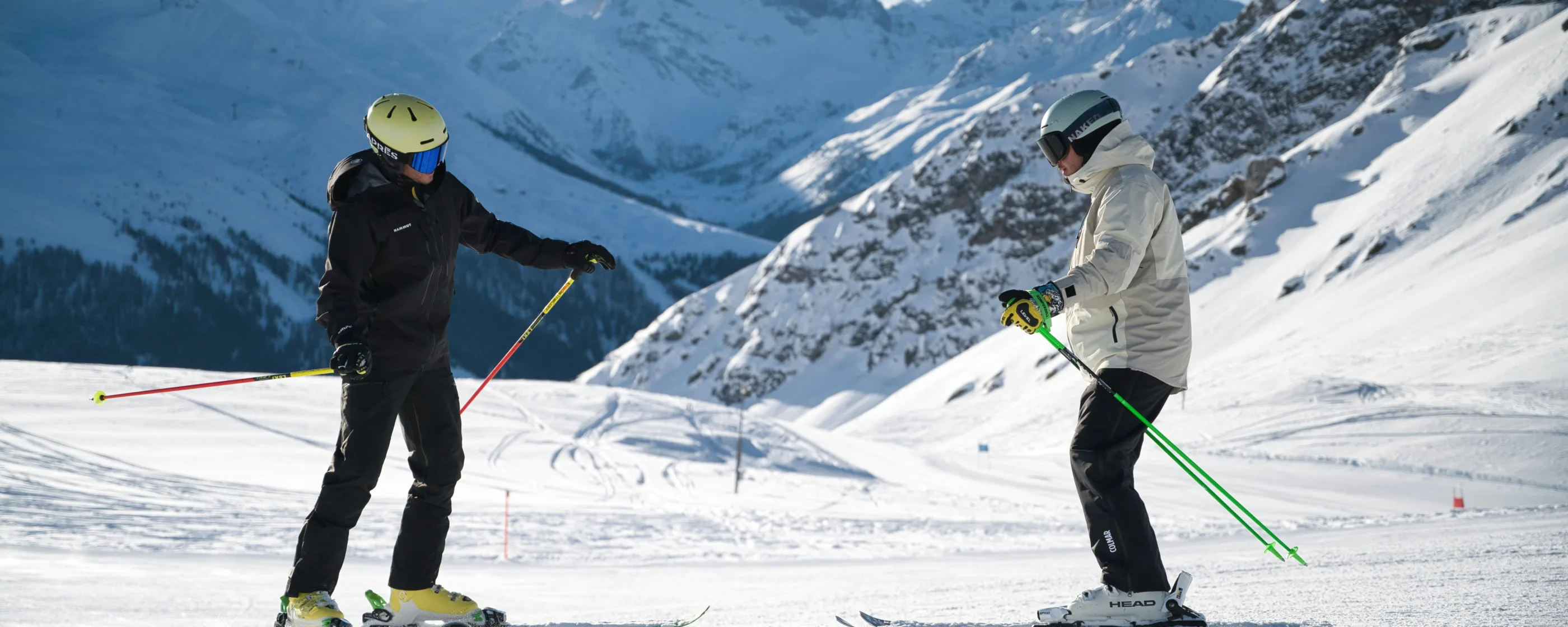
Drop off your luggage, put on your ski boots, and head up the mountain: You won’t need much time to settle in on this trip.
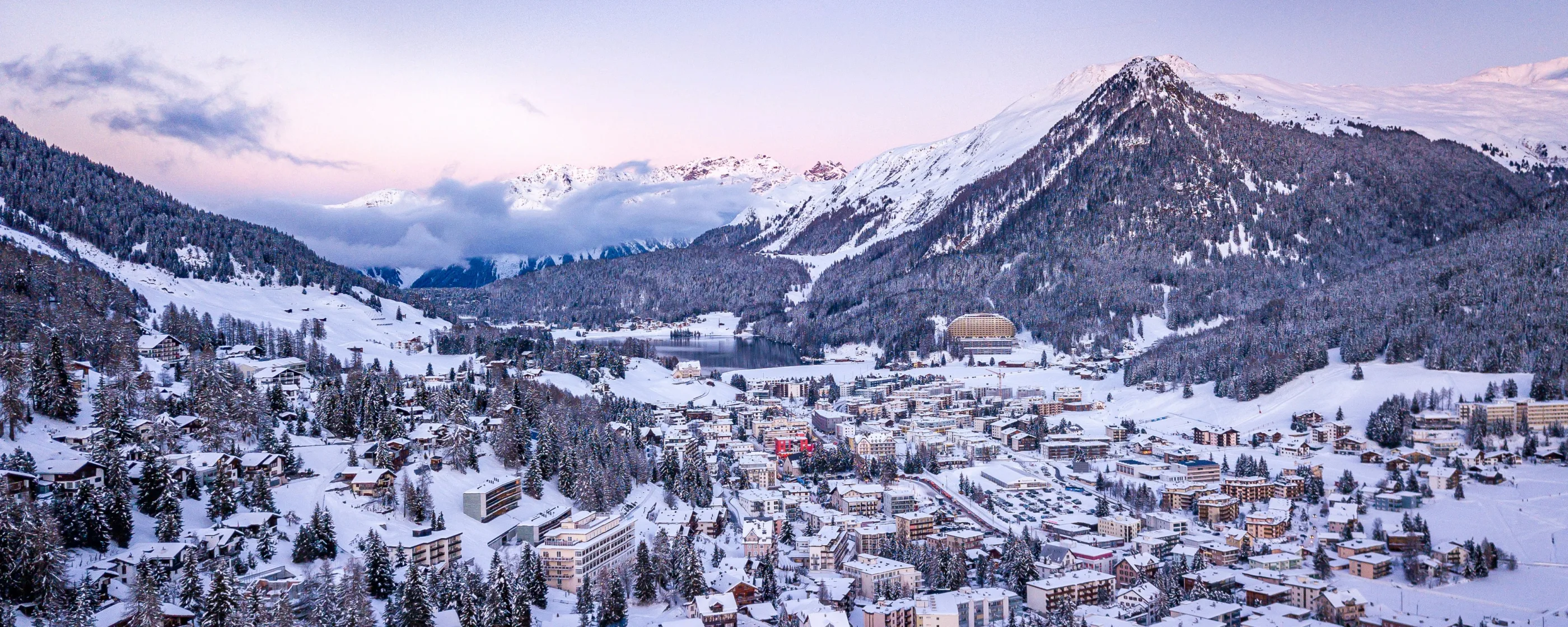
The first stop is Davos. All around this famous winter sports resort, several ski areas are just waiting to be discovered. Parsenn is the perfect place to start. High above Davos, the slopes wind through the Grisons mountains and offer the ideal introduction to the days ahead.
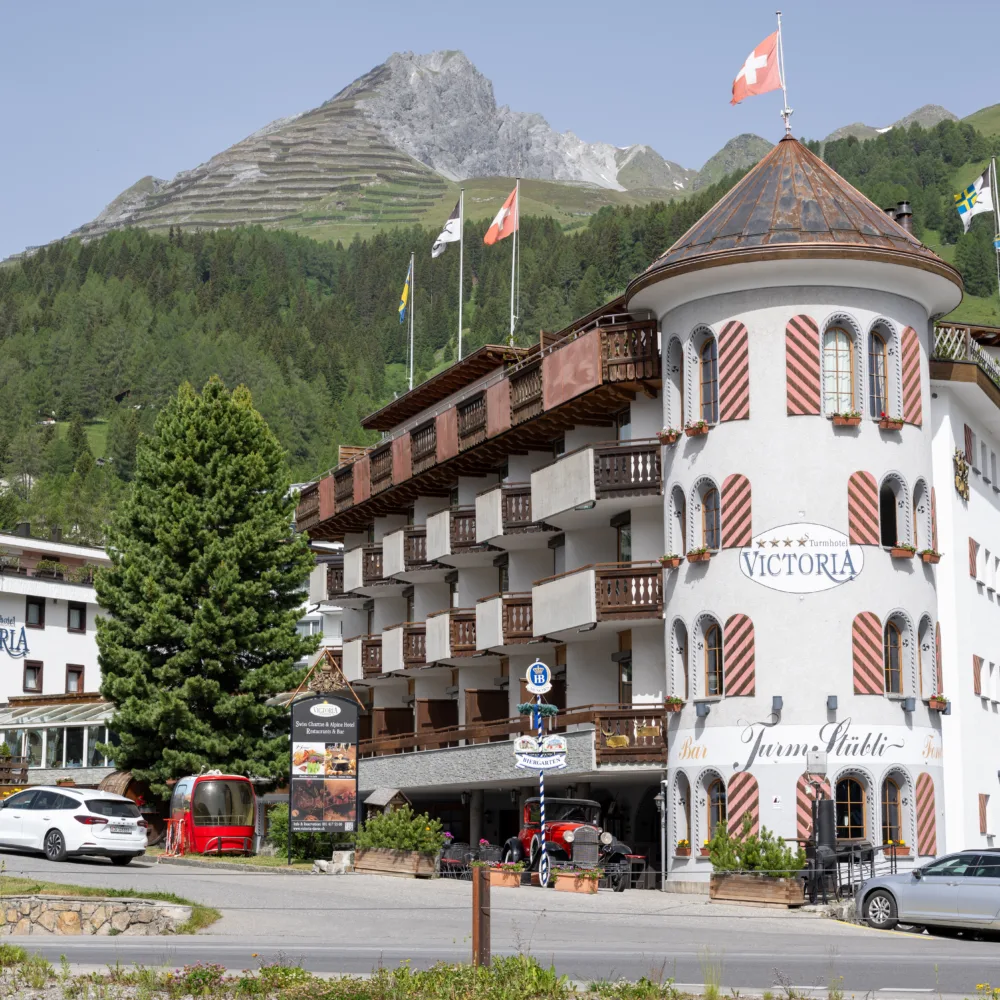
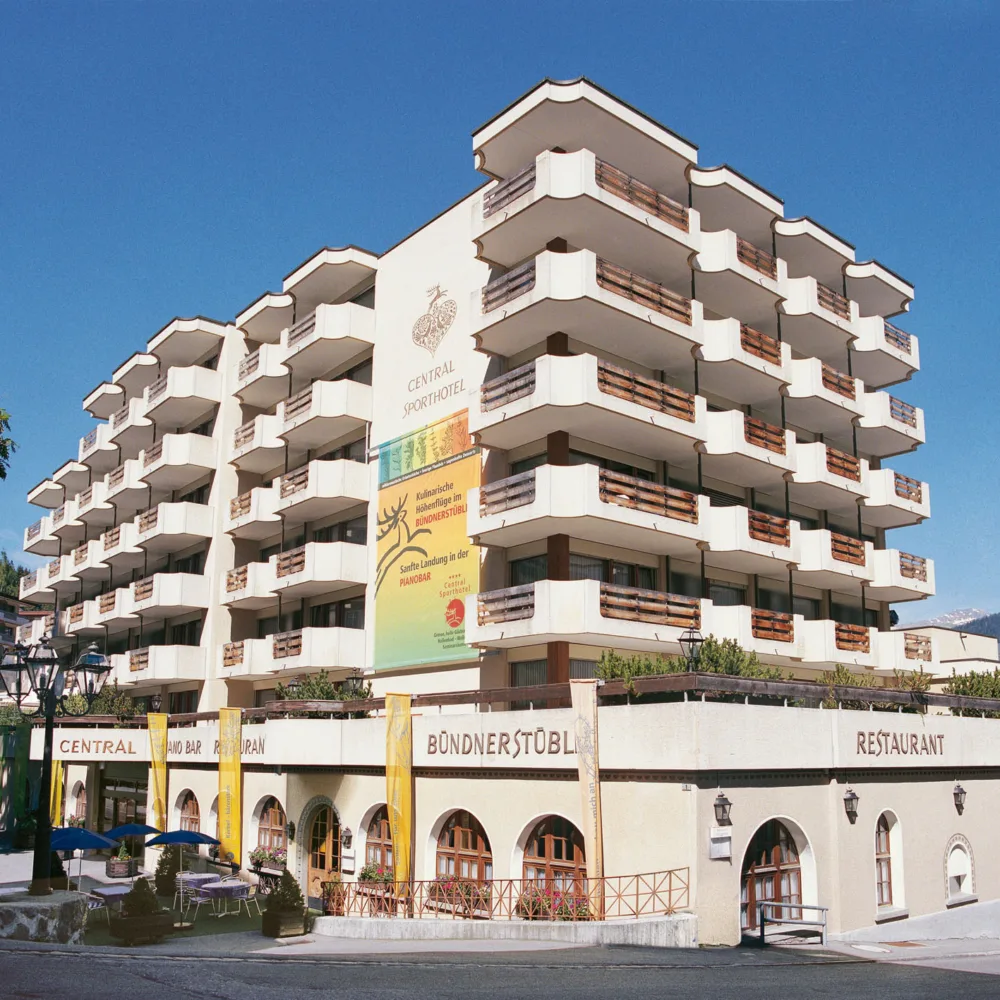
After your final runs, it’s back down to the valley. At the Turmhotel Victoria or the Central Sporthotel, tired skiers can then relax their legs in the wellness area, complete with a sauna and steam room.
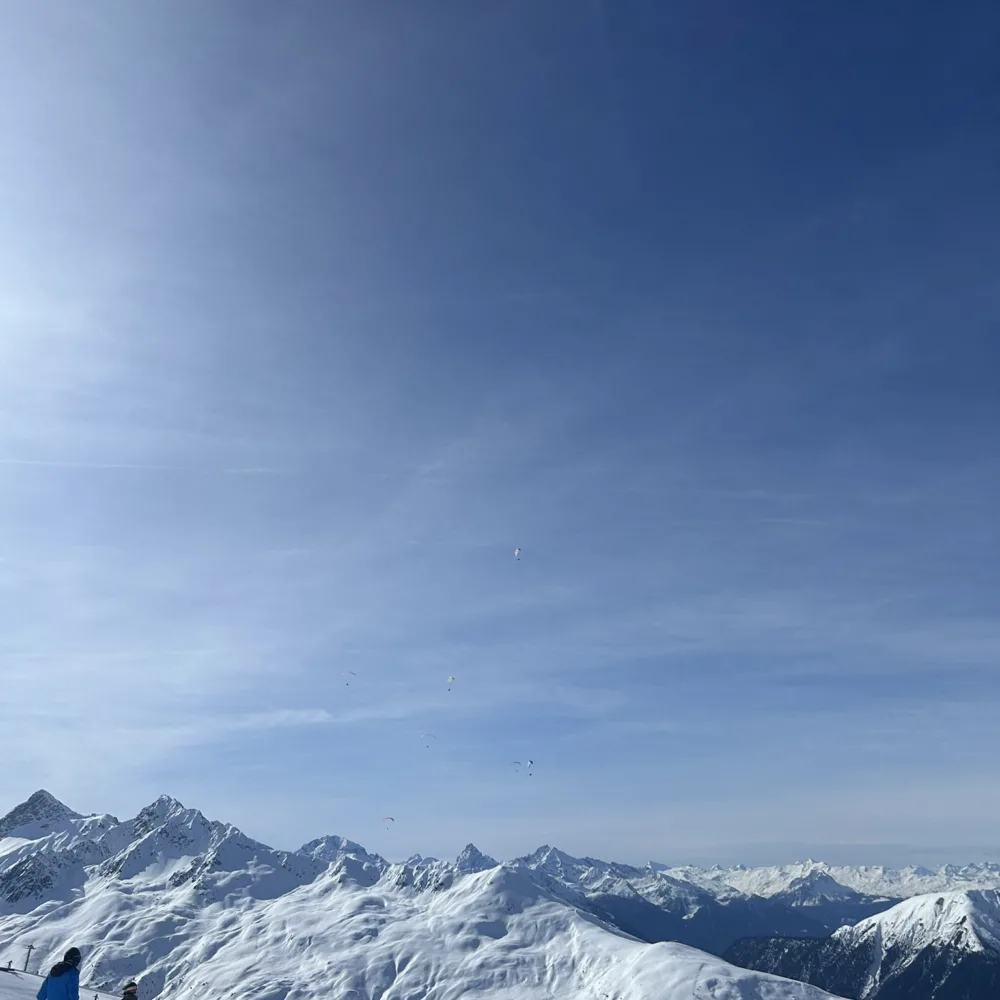
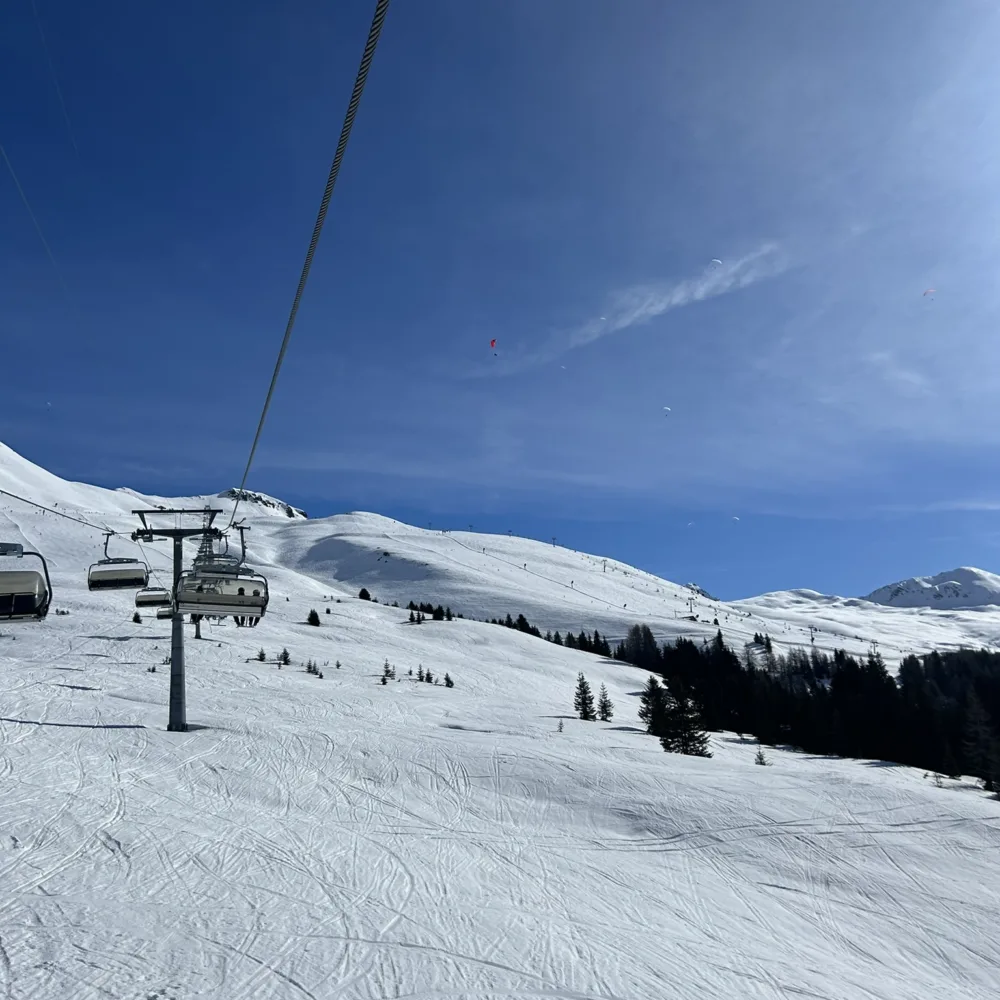
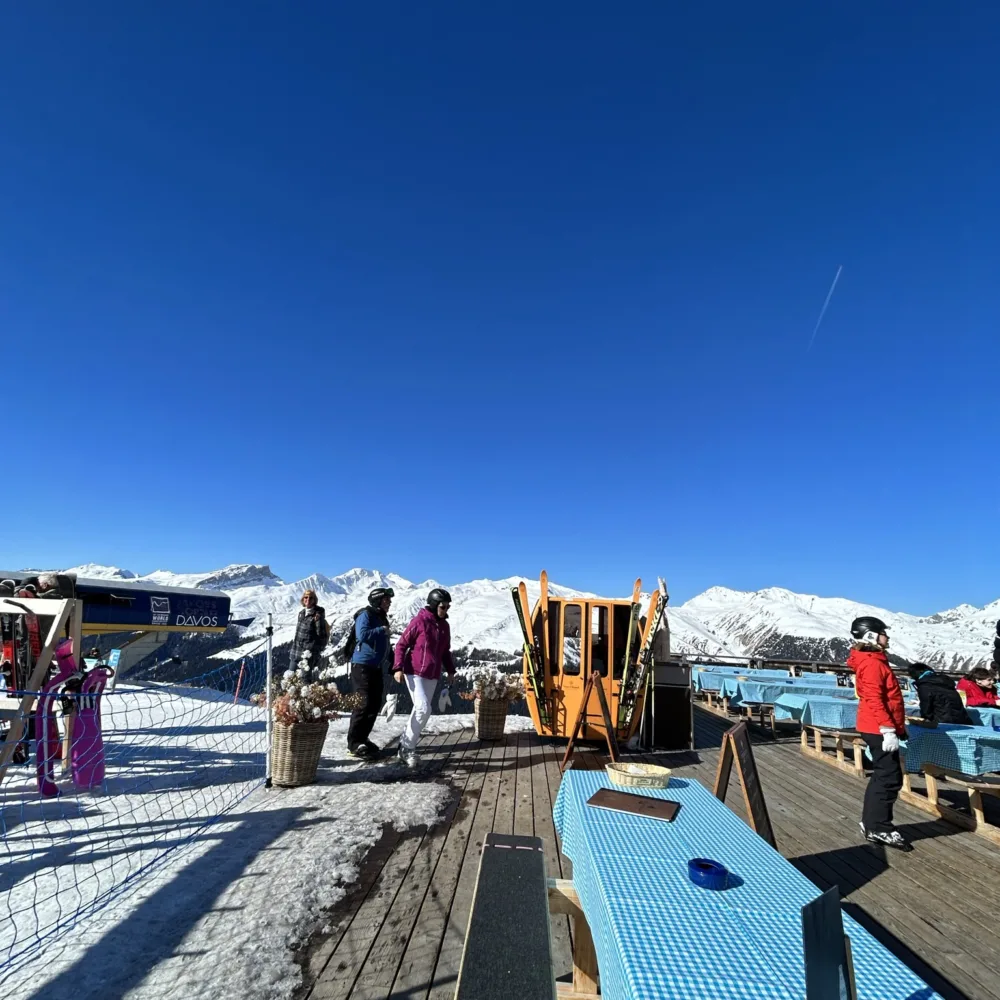
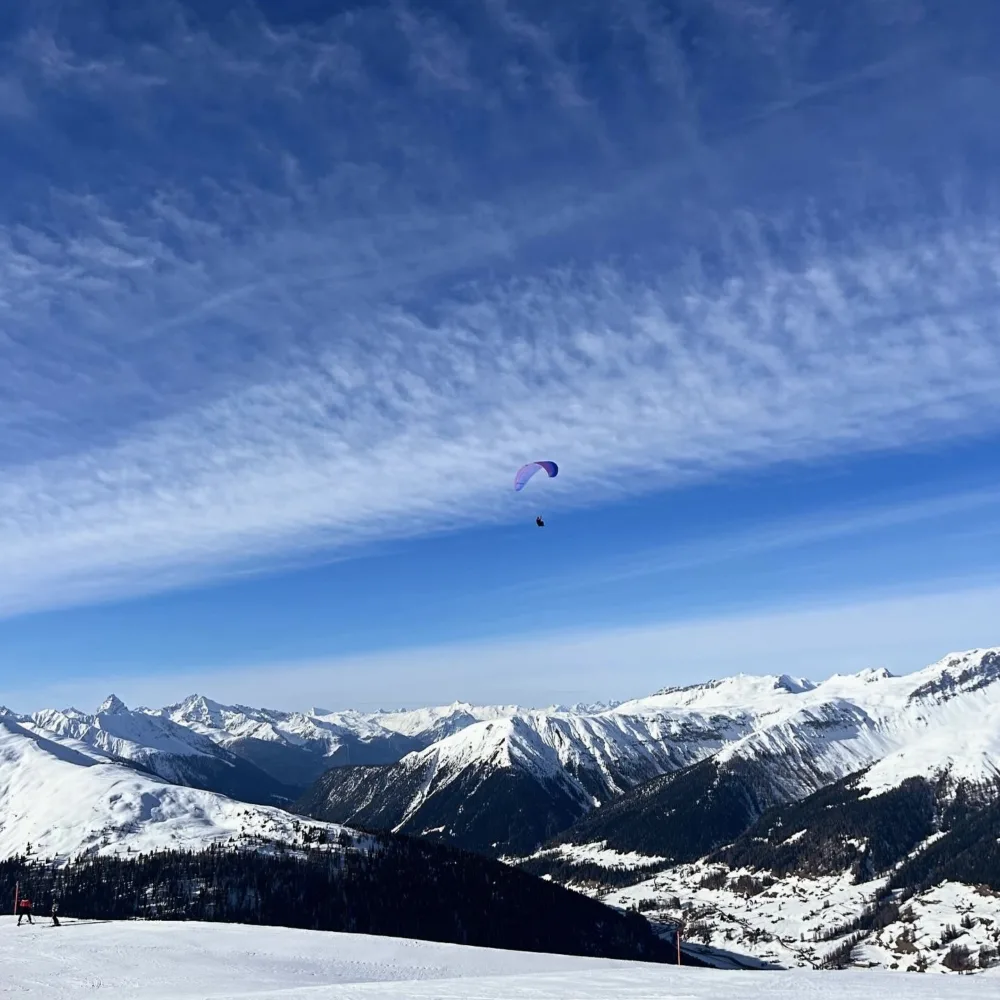
Today we’ll skip Parsenn and head up to the Jakobshorn. The mountain railway departs directly from Davos Platz, taking us up the mountain via the Ischalp.
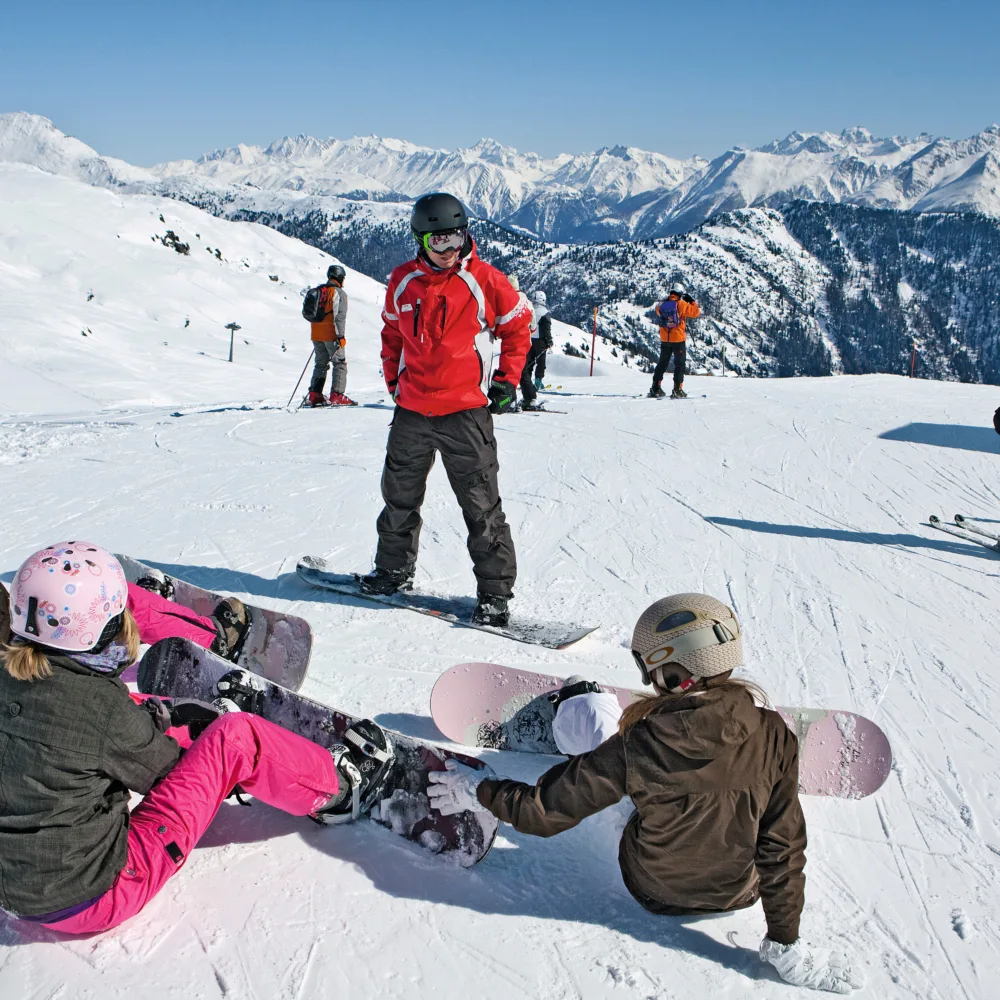
The Jakobshorn shows a different side of Davos: In addition to classic blue, red, and black runs, the mountain is particularly known for its energetic and youthful atmosphere. Anyone who wants to try freestyle should make a detour to the JatzPark. Those who prefer to stay on the slopes can take the runs via Jatz, Clavadel, or the long valley run back to Davos, for example.
And of course, a break is a must here as well: the Jakobshorn offers various sun terraces and mountain restaurants—perfect for a break before tackling the final runs in the afternoon.
After two days in Graubünden, the Ski Safari continues on to Toggenburg.
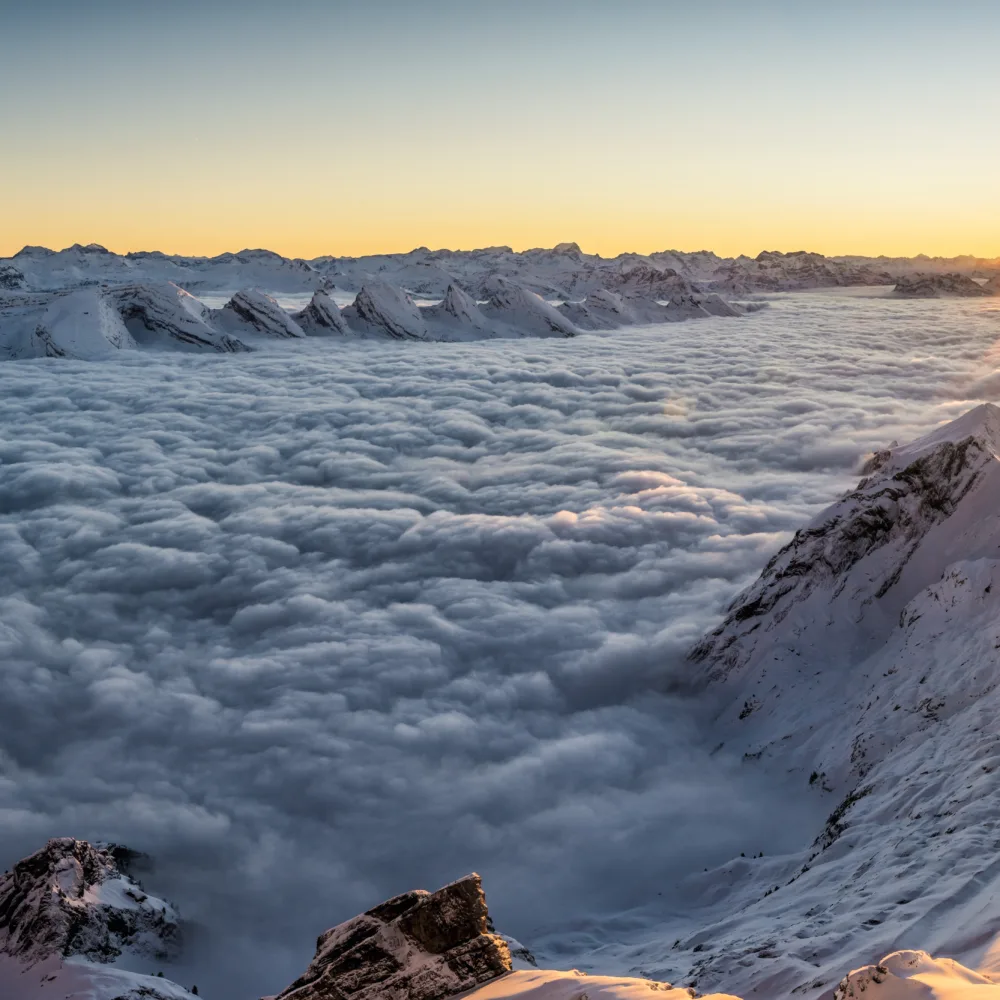
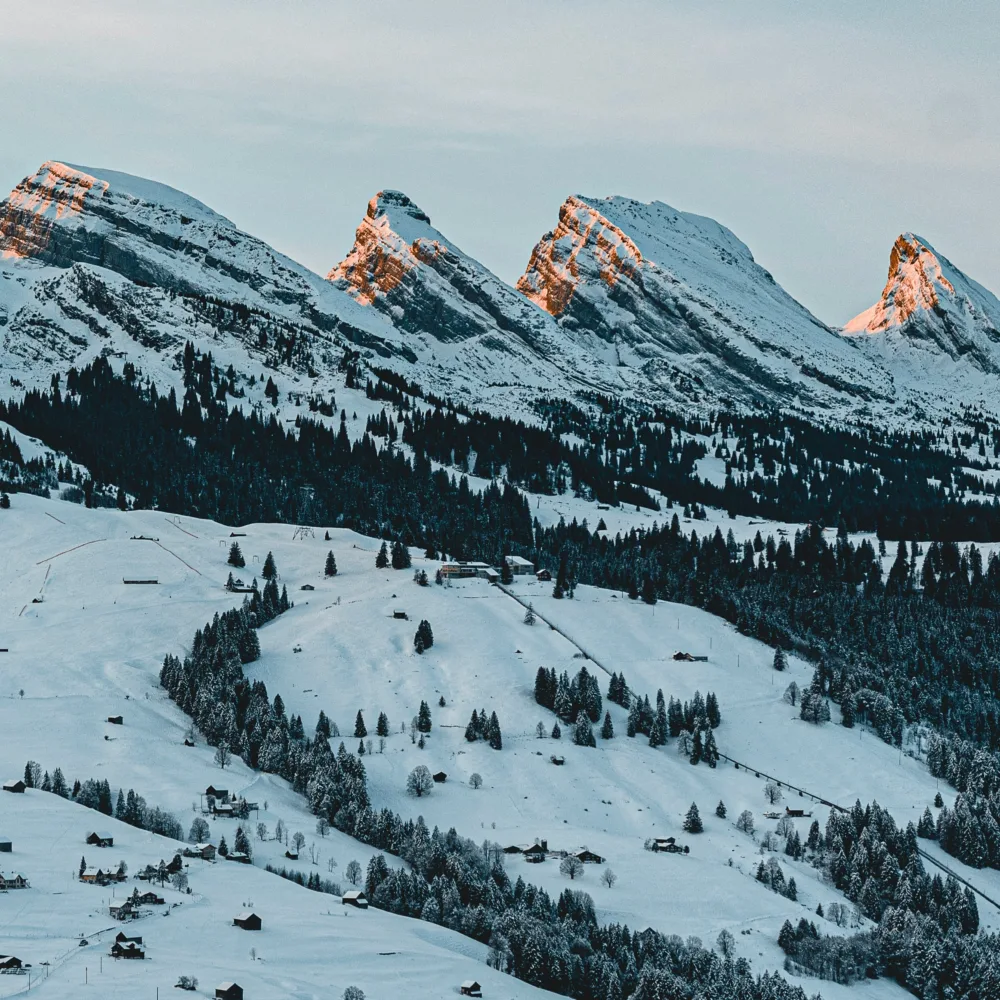
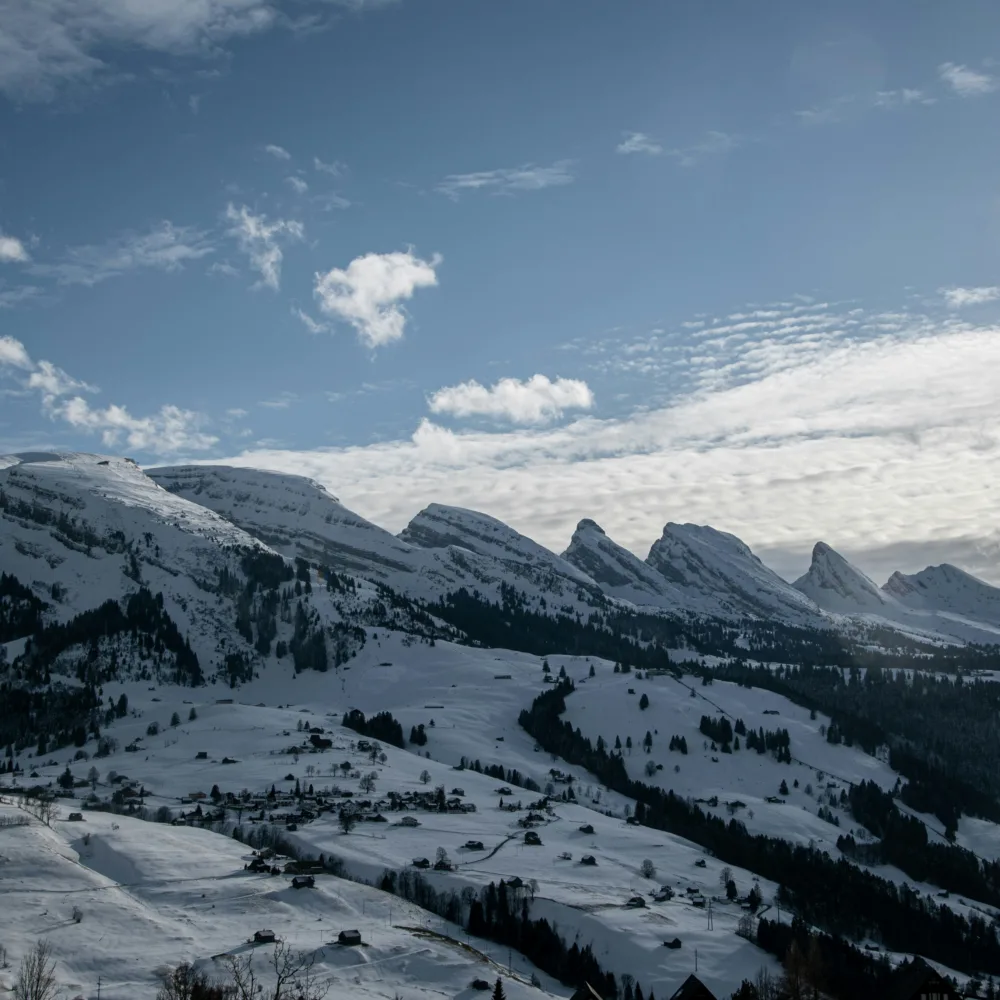
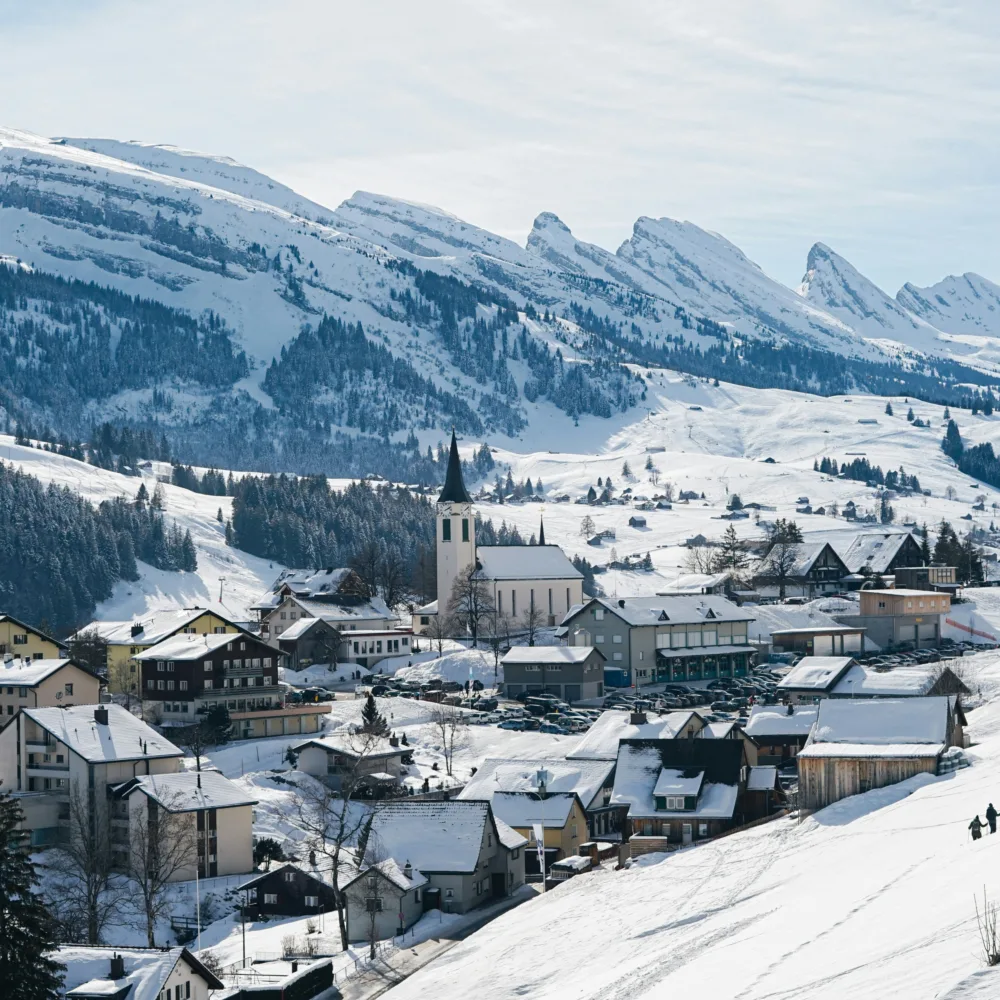
The destination is Wildhaus-Unterwasser-Alt St. Johann, where the striking backdrop of the Churfirsten will accompany the next day of skiing.
From Unterwasser, the route heads up via Iltios toward Chäserrugg. Once at the top, the panoramic view of the mountains of eastern Switzerland opens up, and before you lies a ski area that is quite different from Davos.
Spend the afternoon on your first runs around Iltios and Chäserrugg and get to know the area. If you still have energy, stay on your skis until the last lift.
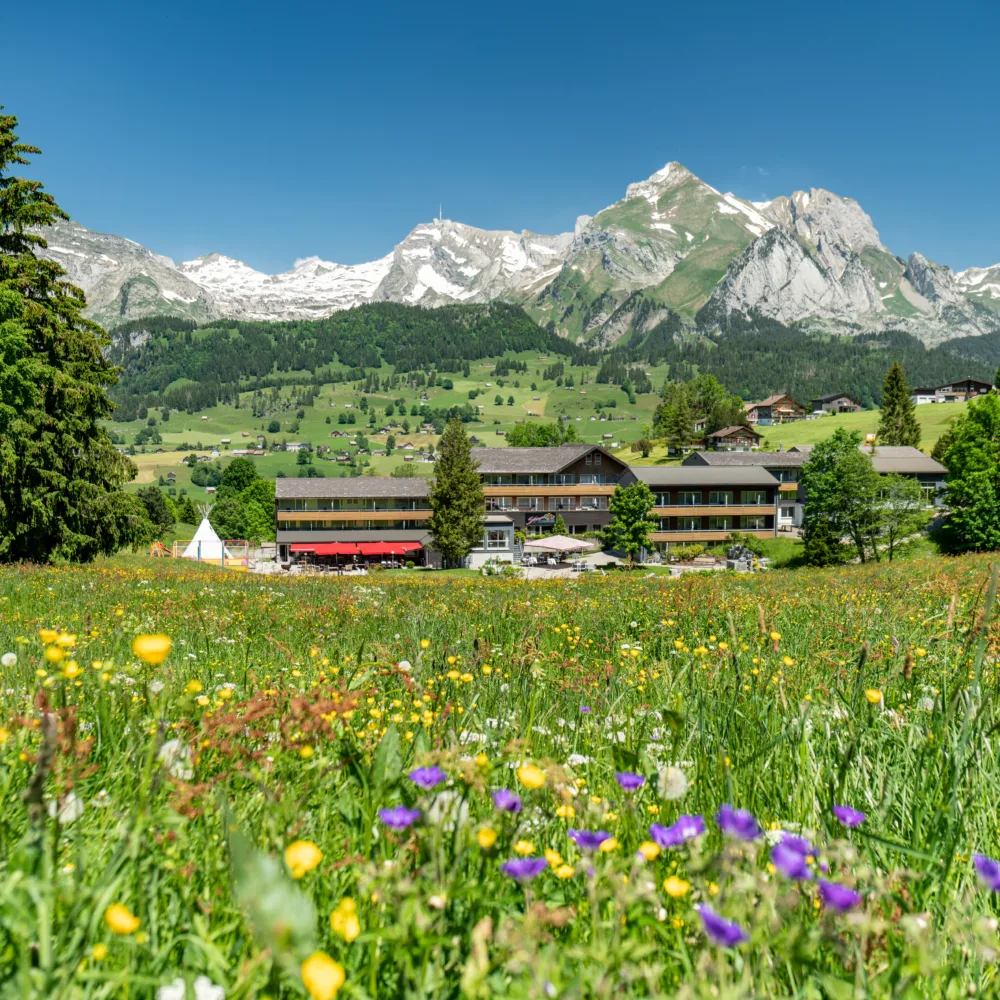
Particularly convenient for this stage: Hotel Stump’s Alpenrose is located right in the winter sports region.
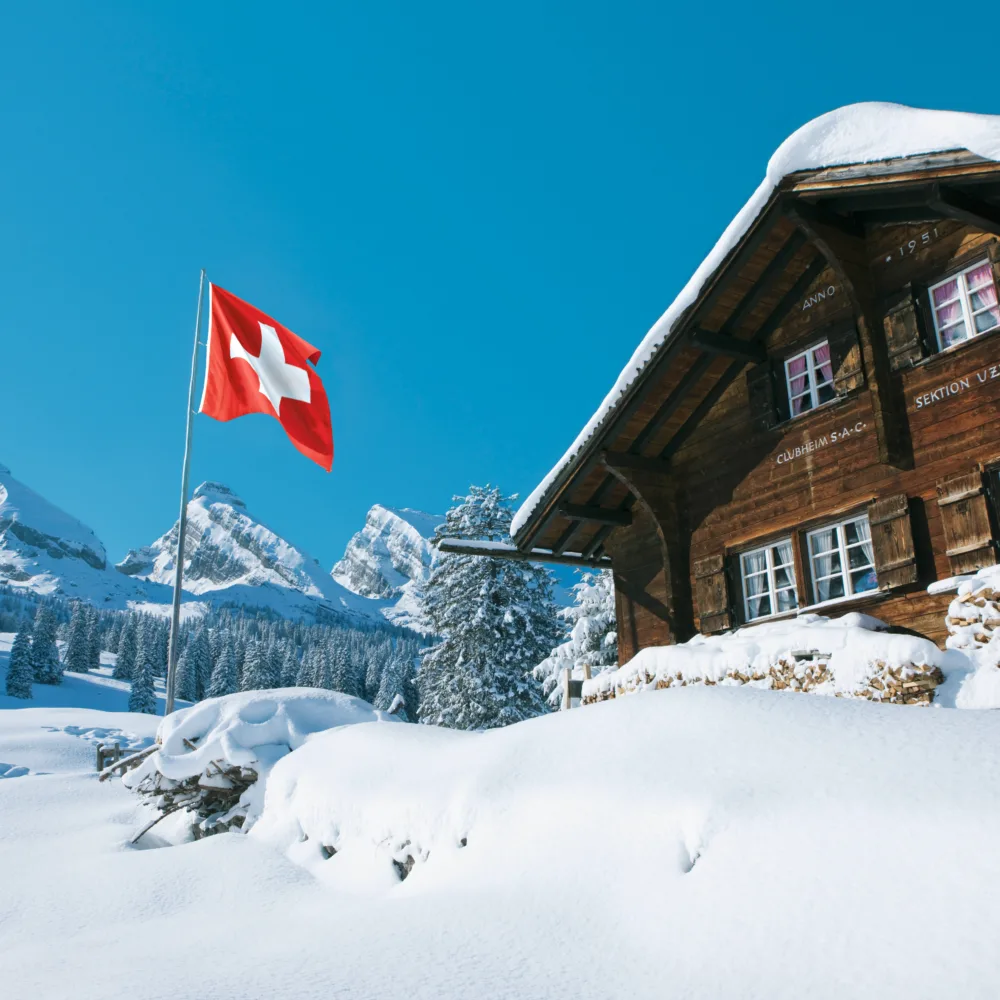
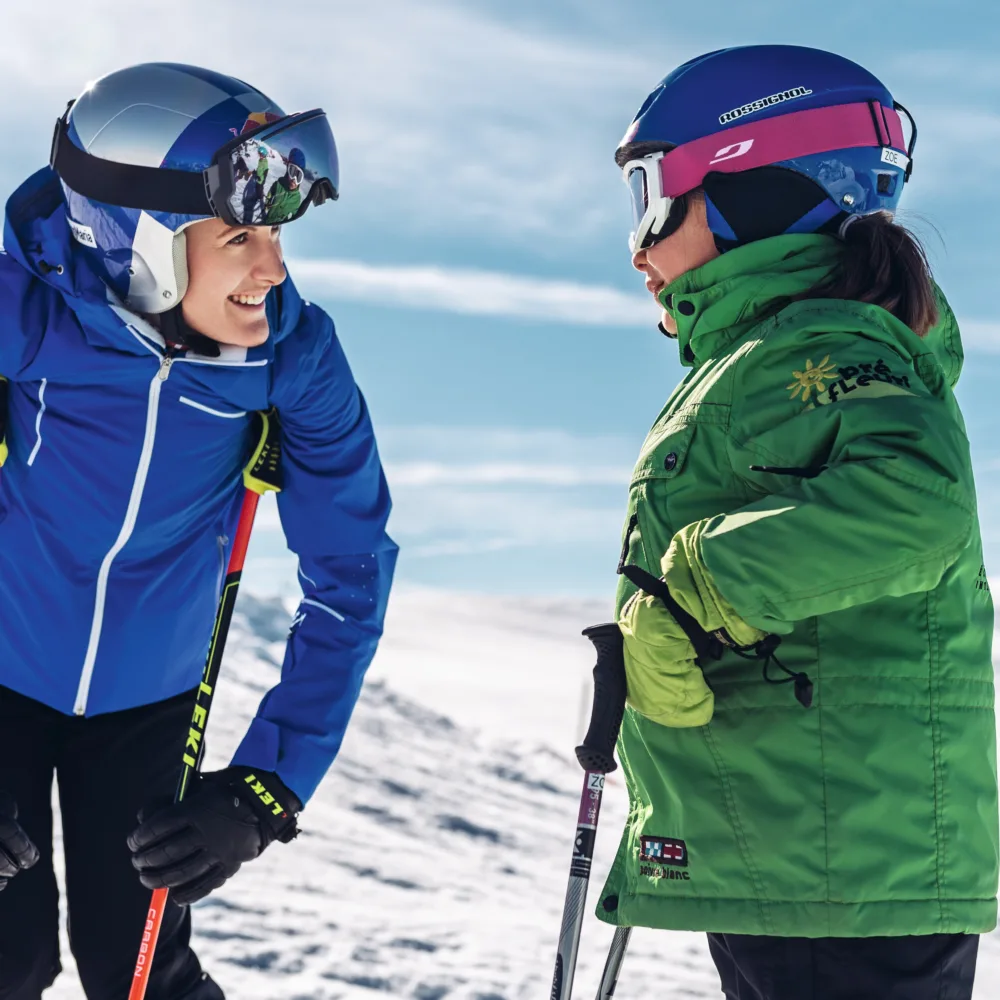
Today, we’re spending the whole day at the ski resort.
Start early and head back toward Chäserrugg at 2,262 meters. Instead of just skiing a few individual runs, today will be a real little ski tour through the resort.
Explore the runs around Chäserrugg, Iltios, and Sellamatt, alternating between more leisurely and more challenging slopes. Throughout your journey, you’ll be accompanied by the distinctive silhouette of the seven Churfirsten peaks.
Around lunchtime, it’s worth taking a longer break on the mountain. Afterward, there will be plenty of time to ski the day’s most beautiful runs one more time.
In the late afternoon, it’s back to Stump’s Alpenrose. Tomorrow brings not only a new region but also a completely different elevation.
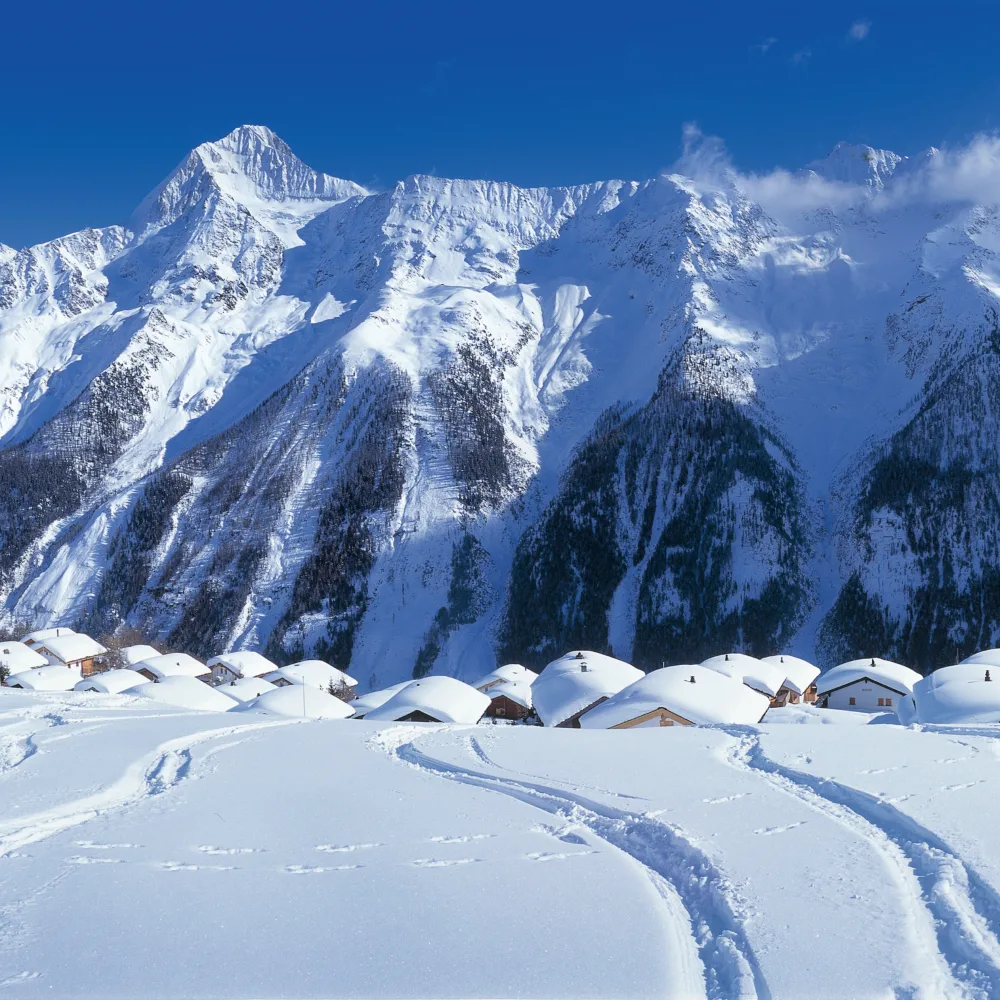
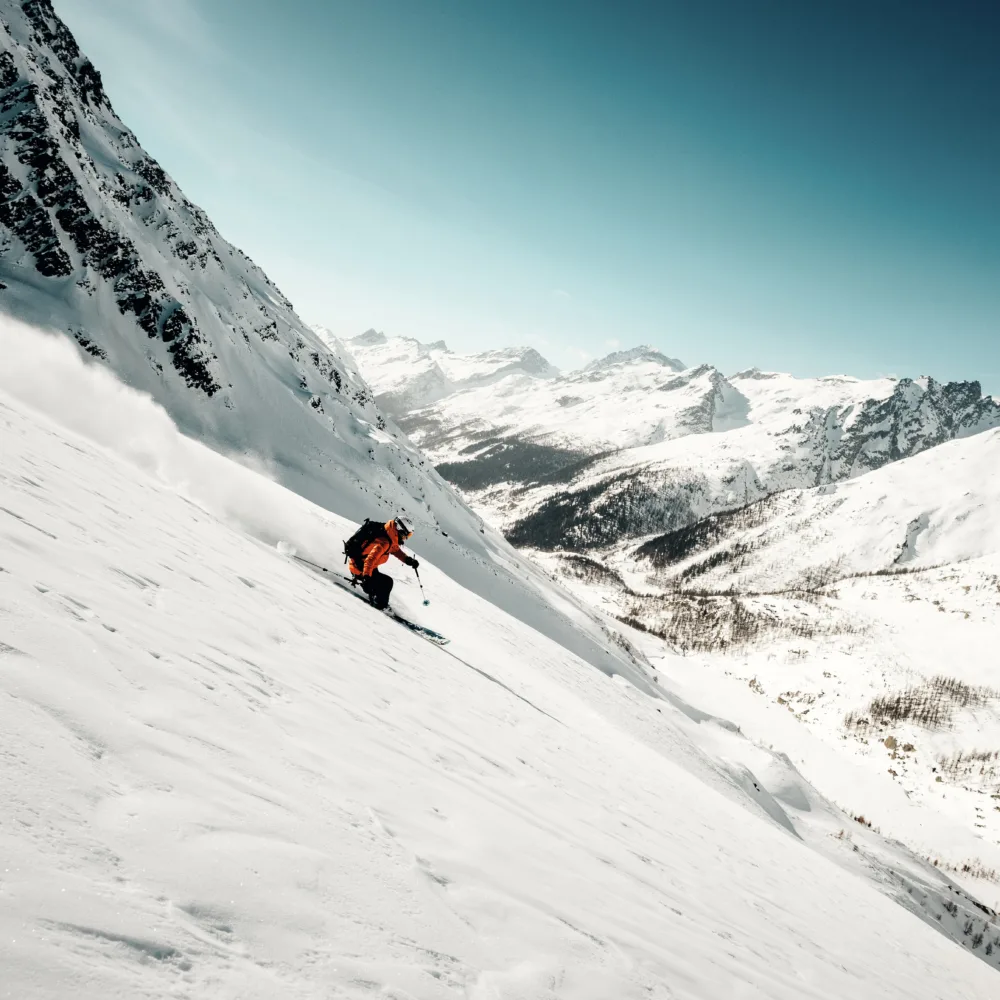
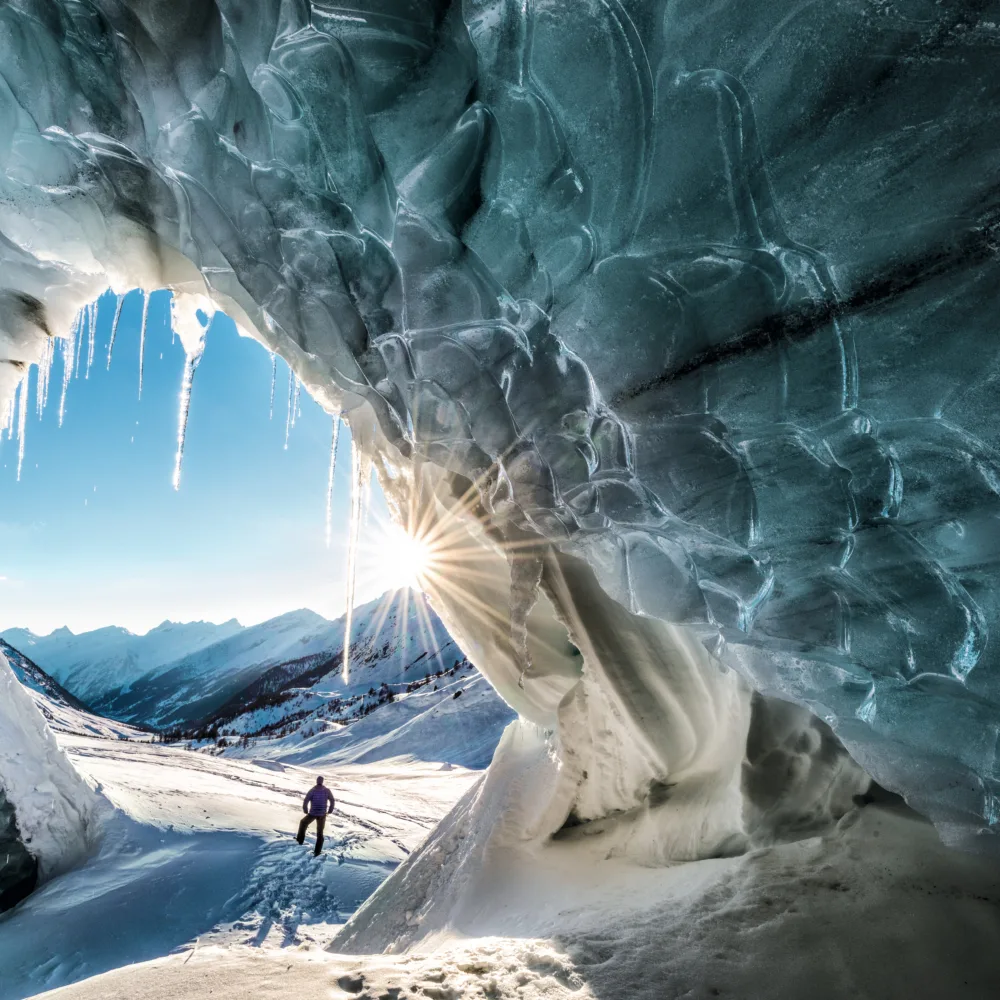
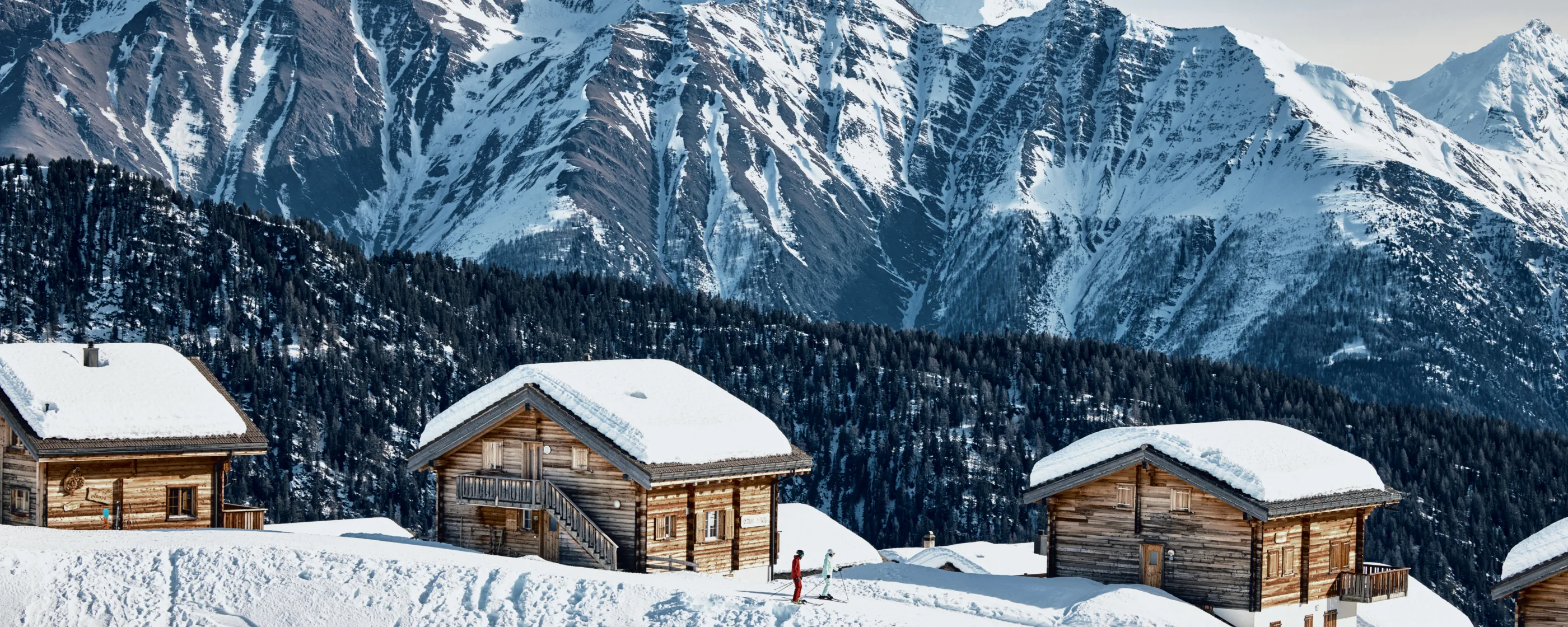
Today, the Ski Safari takes us from Eastern Switzerland to the Valais—more specifically, to the Lötschental.
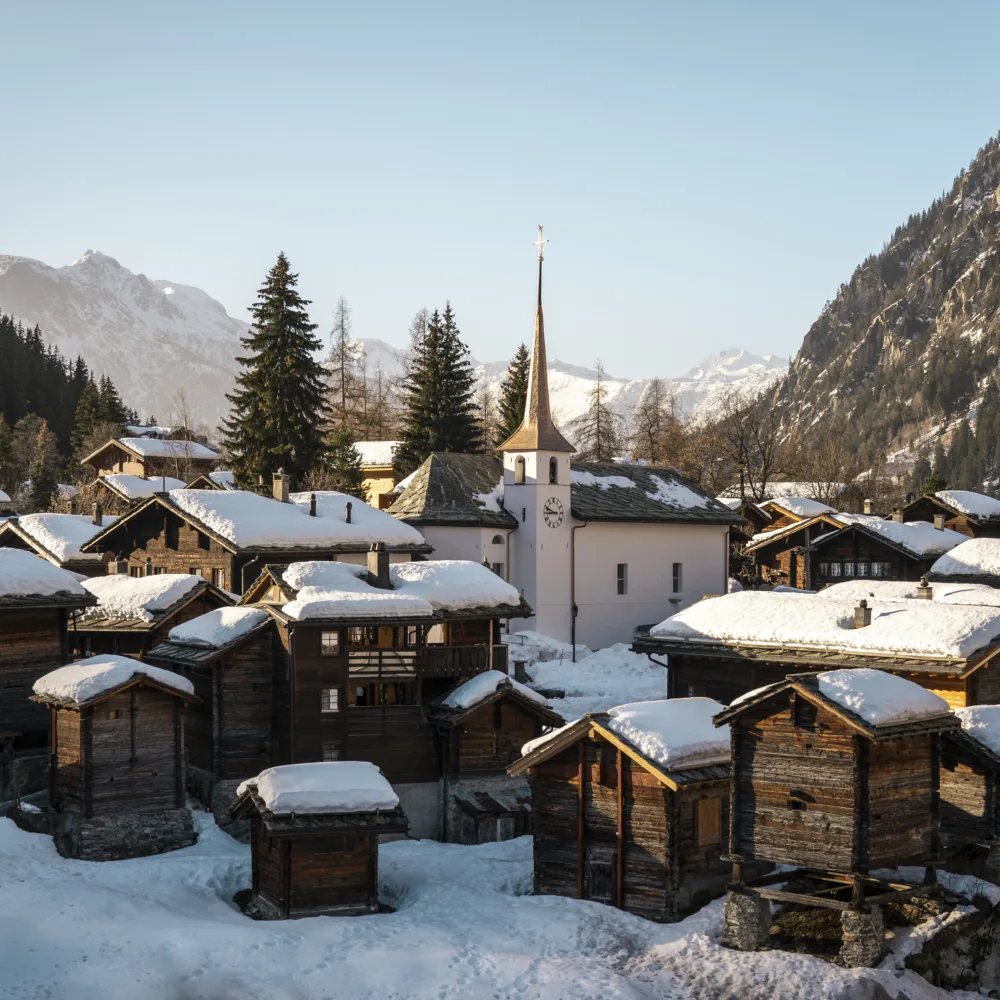
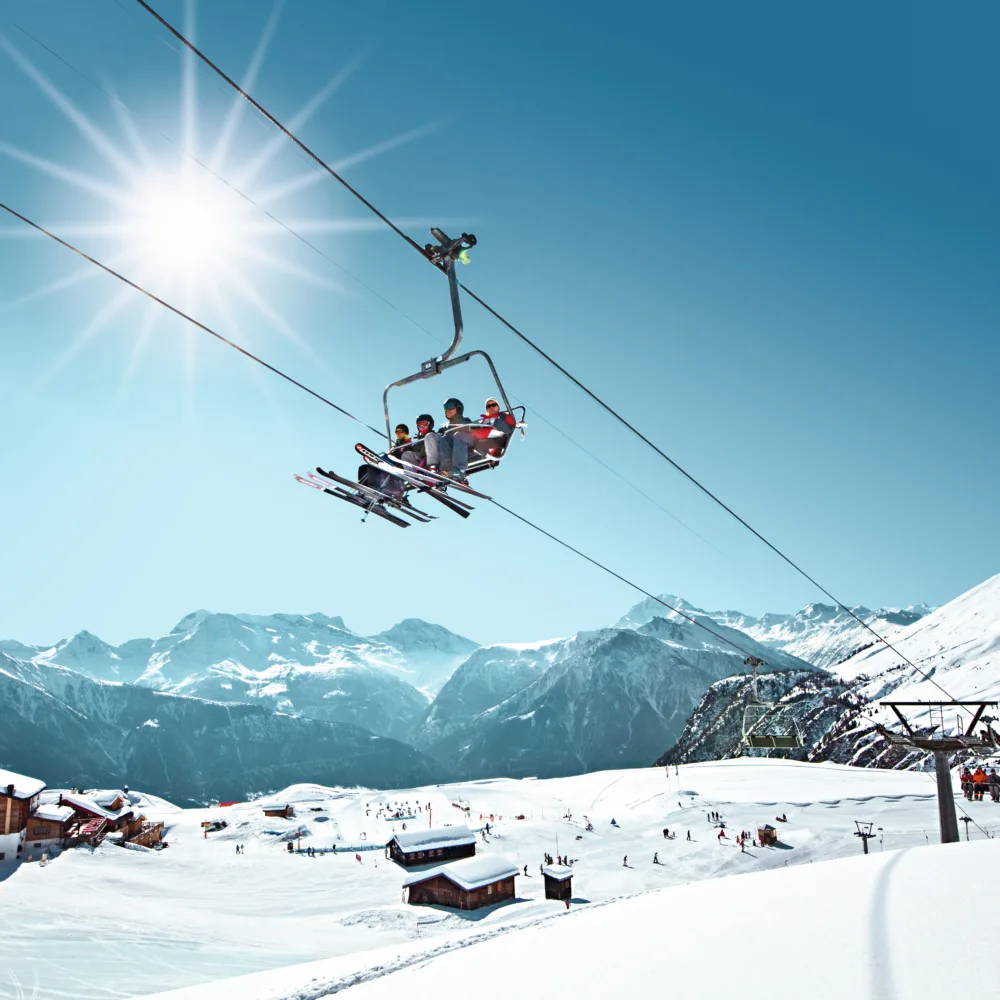
From Wiler, the cable car takes you up to Lauchernalp. And here, the scenery changes immediately: the next two days will be distinctly more high-alpine.
Once you arrive, it’s worth strapping on your skis right away. Start by exploring the slopes around Lauchernalp and Stafel to get a feel for the new area.
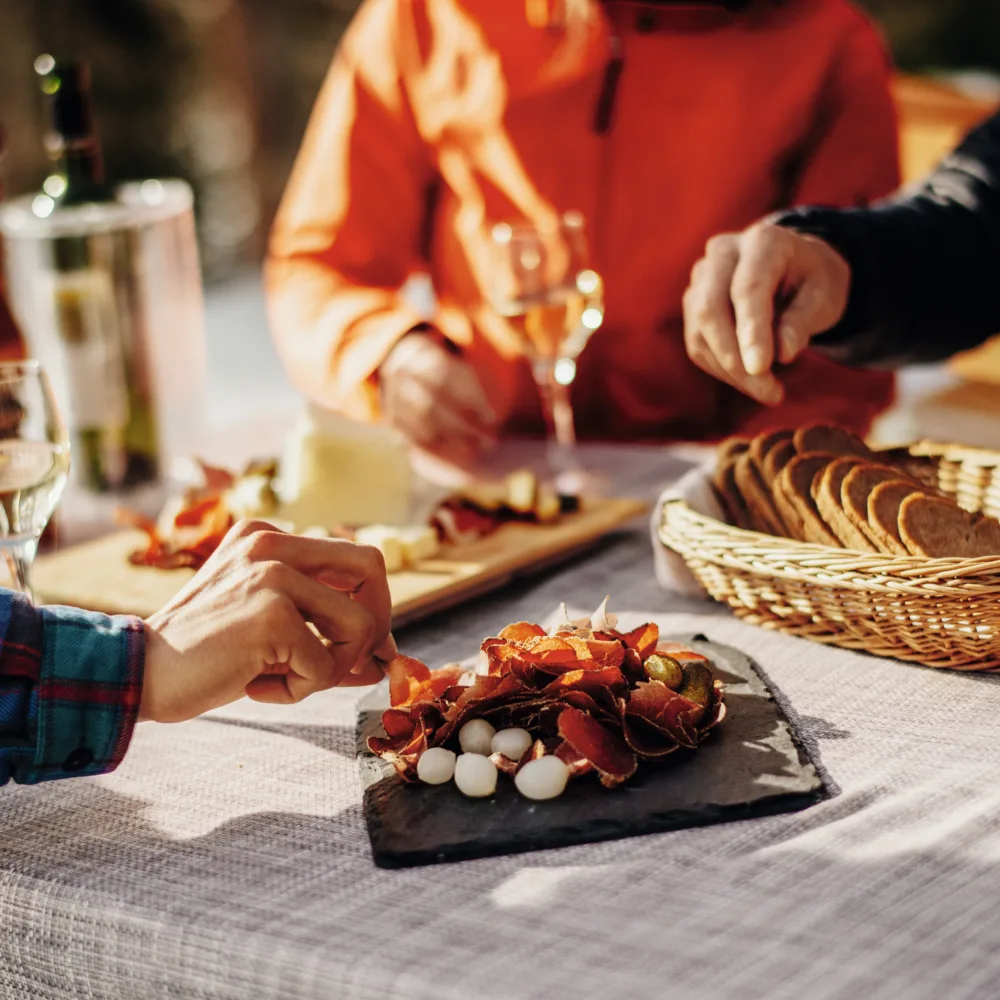
If you still have enough time and energy in the afternoon, make your way further toward Gandegg and the Hockenhorngrat and treat yourself to a culinary delight at a classic mountain restaurant.
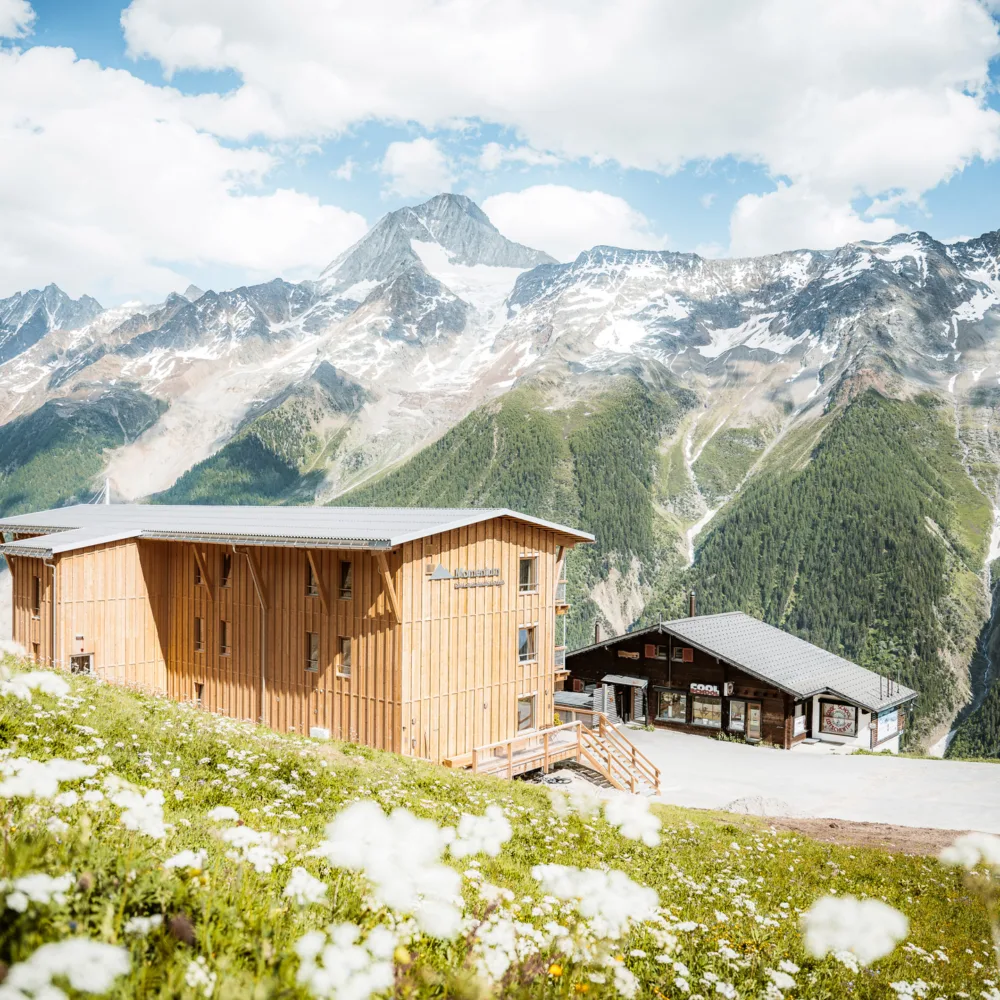
Then it’s back to the Lauchernalp Lodge. Instead of having to head back to the ski area the next morning, you’ll already be right in the middle of the snow-covered Valais mountains.
For the finale, things are really going to soar once again.
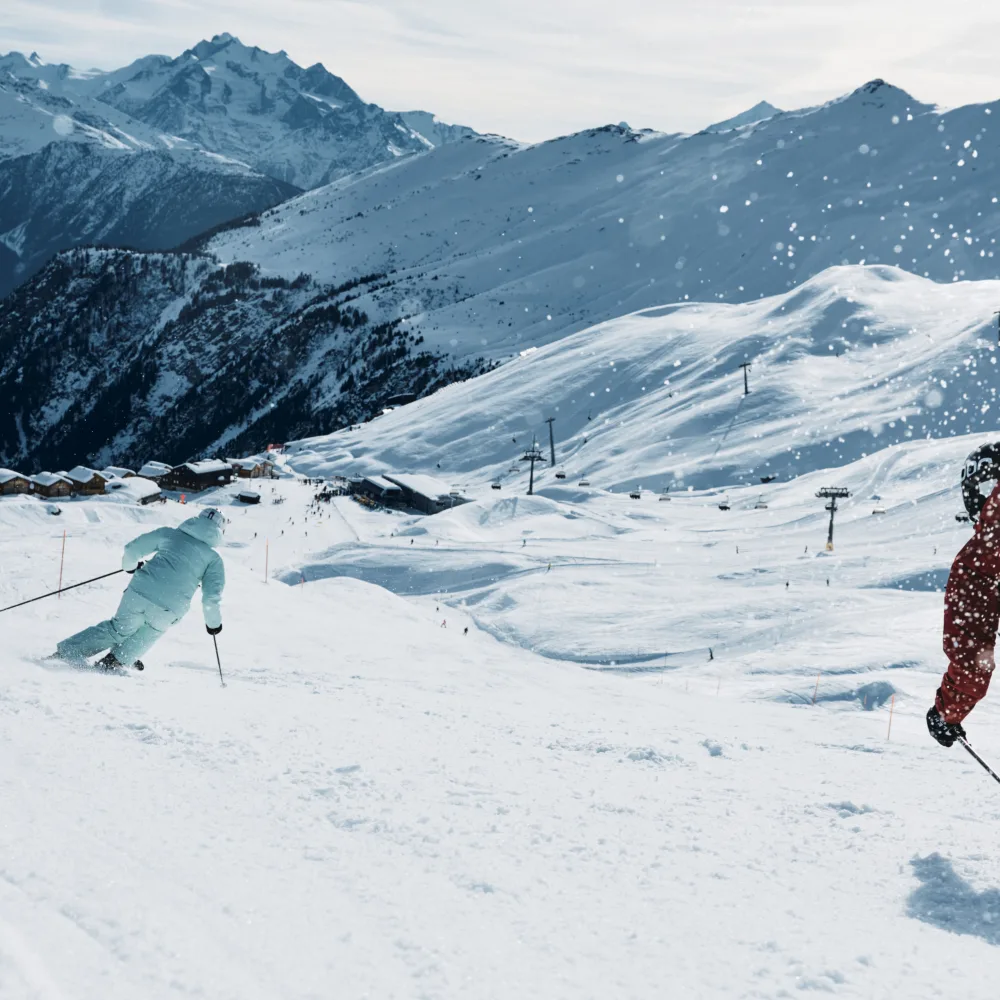
The journey leads up via Lauchernalp, Stafel, and Gandegg toward the Hockenhorngrat at 3,111 meters. Here lies the highest point of the Ski Safari, complete with panoramic views of numerous four-thousand-meter peaks.
From the top, it’s back down the slopes. Take advantage of the last day to thoroughly explore the Lauchernalp ski area and link up the various runs back toward Gandegg, Stafel, and Lauchernalp.
At noon, another break awaits in the heart of the Valais mountains. After that, there’s just one important decision left: Which run deserves to be the very last descent of the trip?
After six days, three regions, and several completely different ski areas, the safari ends where it’s most beautiful—right in the middle of the snow.
More about the regions
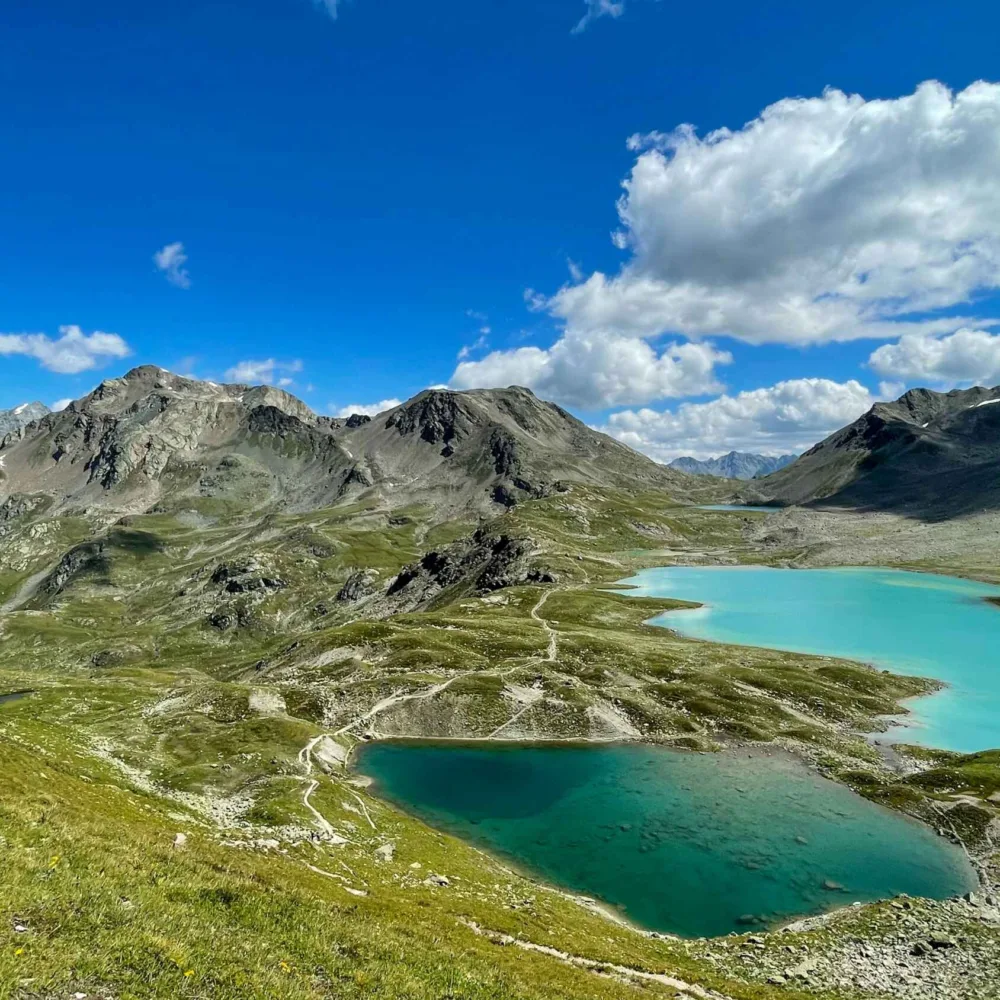
Davos
Between alpine adventures and breathtaking mountain landscapes, Davos offers an unforgettable stay with Swiss Quality Hotels.
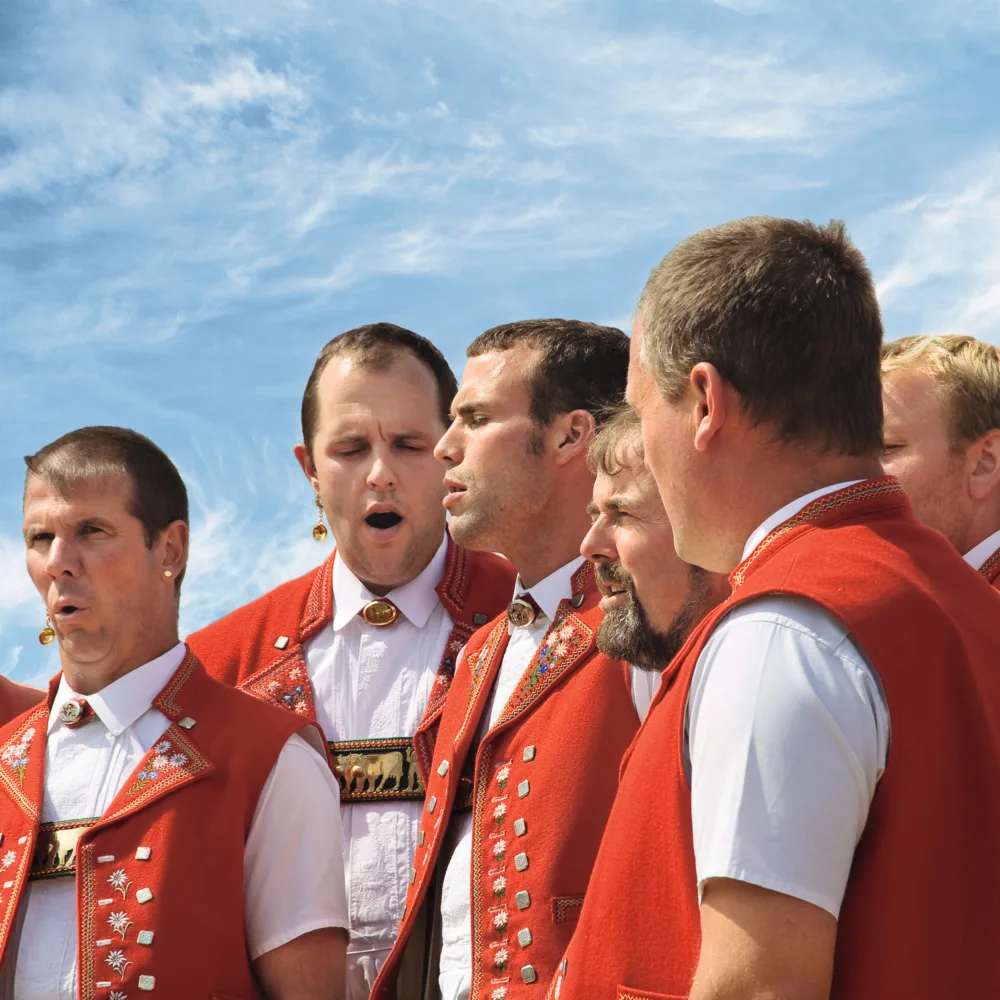
Toggenburg
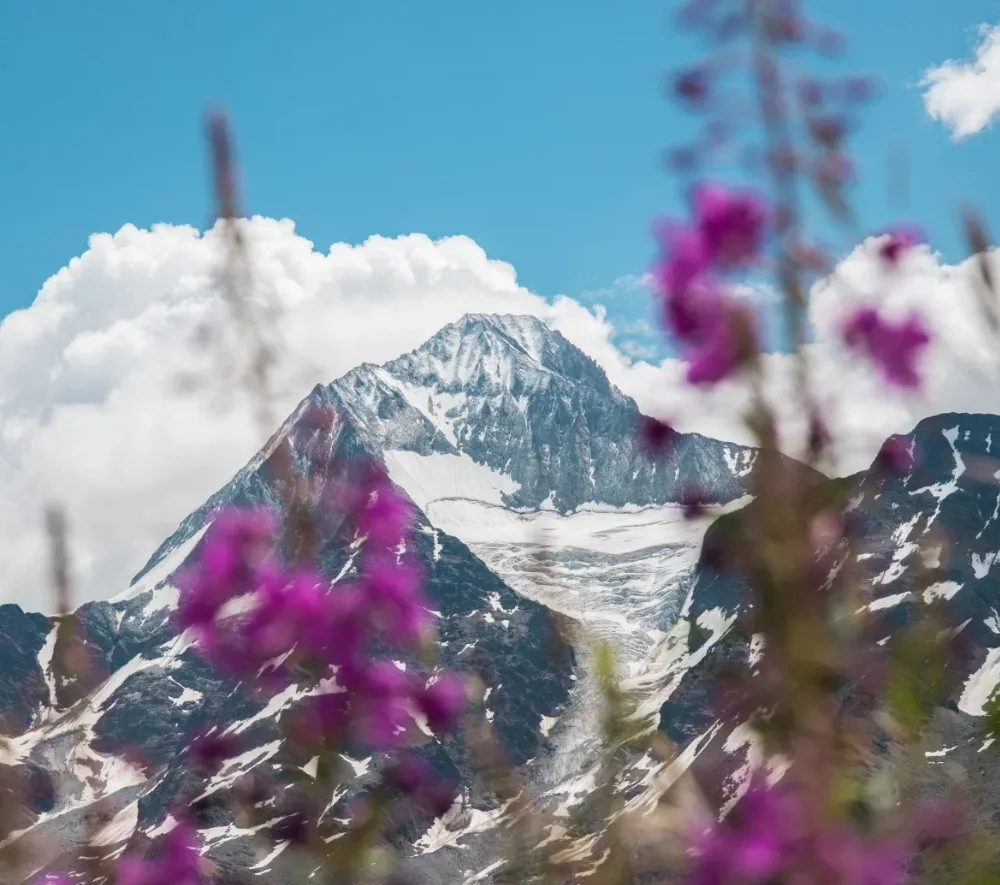
Wiler, Lötschental
Frequently Asked Questions
In Davos, Parsenn and Jakobshorn are on the itinerary. The trip then continues to Toggenburg, to the ski area around Chäserrugg, Iltios, and Sellamatt. The trip concludes at the Lauchernalp ski area in the Lötschental, featuring the Hockenhorngrat at 3,111 meters.
No. Since the route passes through three different winter sports regions, separate ski passes are required.
This route is ideal for skiers who don’t want to spend their entire vacation in the same ski resort but would rather combine different slopes, mountain landscapes, and regions of Switzerland.
Not necessarily. Ski equipment is available for rent at winter sports destinations. If you’d like to ski the entire safari on your own skis, you can, of course, bring them with you from station to station.
In general, the destinations are accessible by public transportation. Since the route runs from Graubünden through eastern Switzerland to the Valais and involves transporting ski equipment, you should allow plenty of time for the transfers.